Homes on site
in days, not seasons.
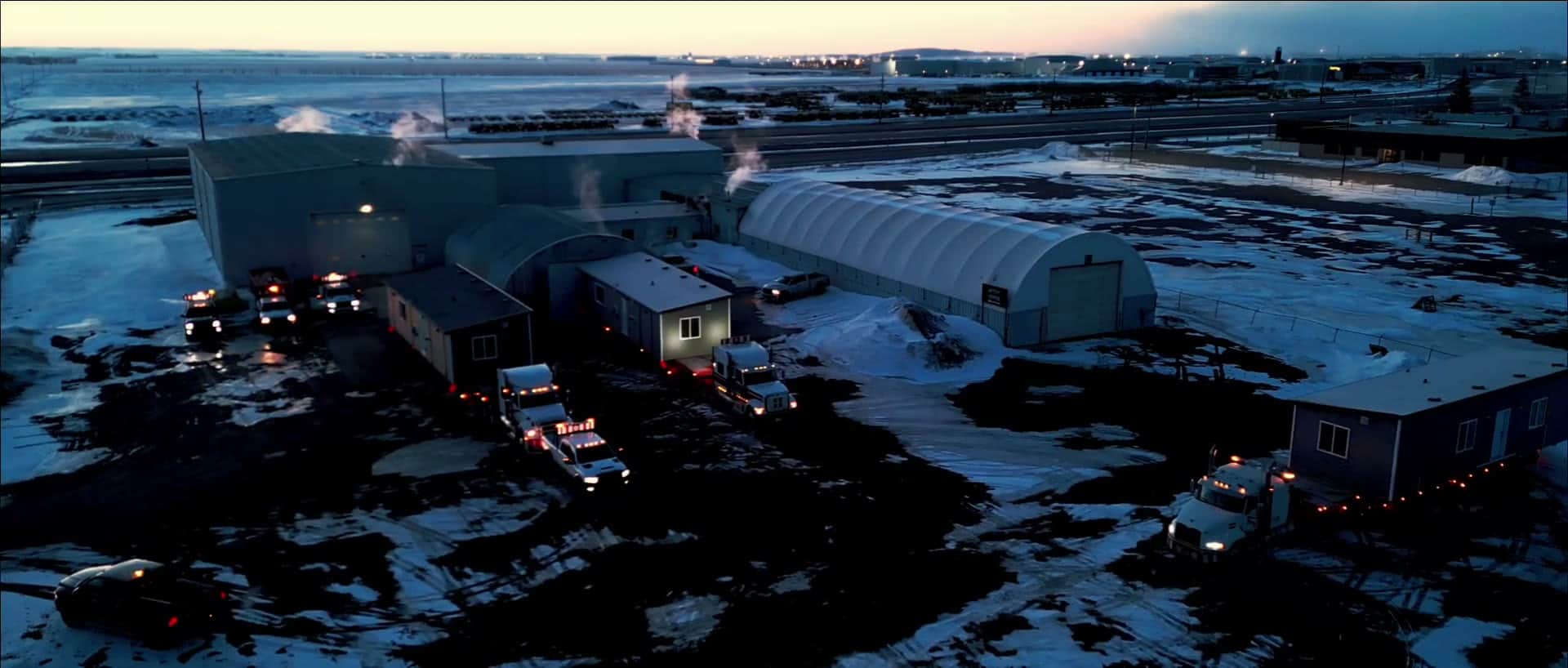
Evacuations, floods and housing shortfalls do not wait for a build season. We finish the home in our Saskatchewan plant and deliver it to your community, winter road and fly-in sites included, on a steel skid that needs no foundation.
What is rapid response housing?
Rapid response housing is finished, code-built housing delivered to an evacuation, flood or housing-shortfall site in days rather than seasons. Herauf finishes each home in its Saskatchewan plant on a steel skid that needs no poured foundation, with plumbing, electrical and heating self-contained, and delivers it by highway, winter road or to fly-in sites.
The skid is the difference from a permanent build: the home sets down on prepared ground, is connected in days, and can be lifted and moved again when the emergency ends or the community's permanent housing is ready.
Days
From delivery to occupancy
No foundation
Steel-skid mounted
Self-contained
Utilities, no services needed
Relocatable
Move when the need moves
Councils, provinces,
and departments.
Housing that has to arrive on a deadline is almost never bought by one person with one budget. Here is how the three groups who buy it from us are set up, and what that means for the contract.
First Nations and Métis communities
Band and tribal councils buying housing directly or through a program. Herauf Modular is an Indigenous joint venture, so the work keeps benefit with Indigenous business rather than sending it south.
Provincial emergency management
Evacuee accommodation, interim housing and the washrooms and offices a reception site needs. The units come back and redeploy to the next event instead of being written off.
Federal departments and agencies
CSA A277-compliant construction, structured to qualify under the Procurement Strategy for Indigenous Business, and counting toward the federal five percent Indigenous procurement target.
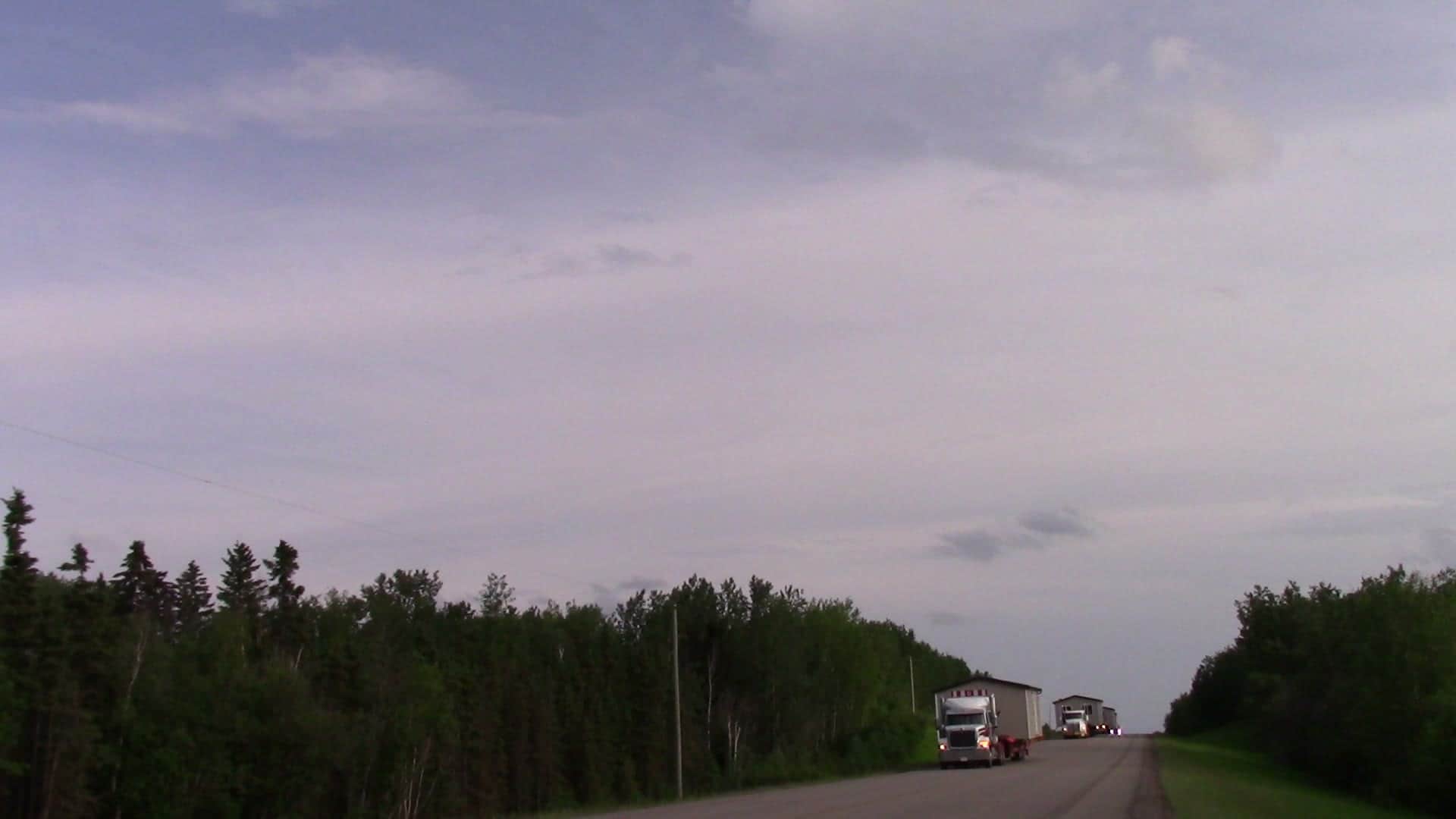
Finished homes, on the road north.
Finished, not framed.
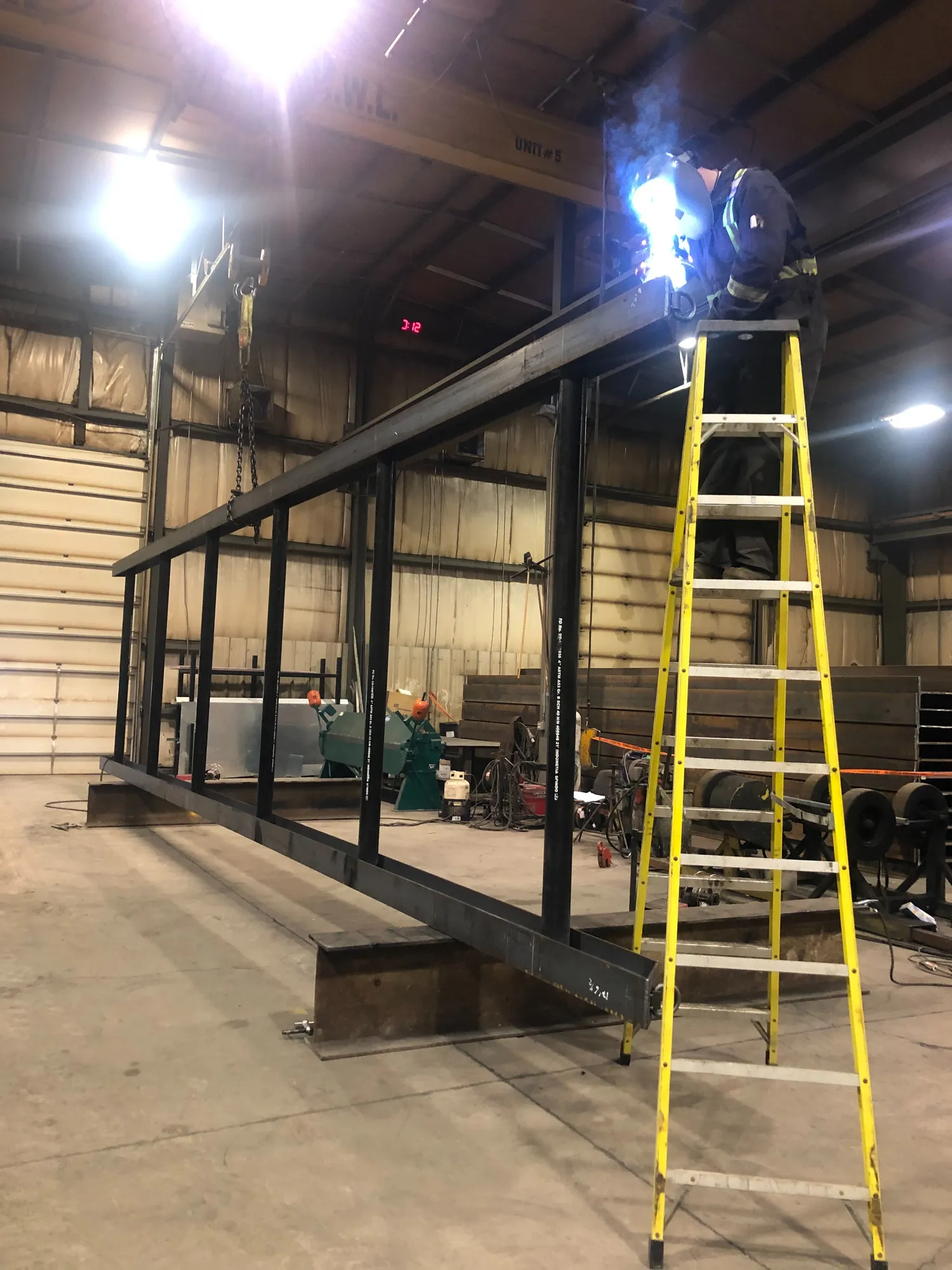
Steel skid under every unit
The skid is welded in our own shop. The home travels on it, sets down on it, and lifts off again years later, so there is no poured foundation to wait on and no crane pad to build first.
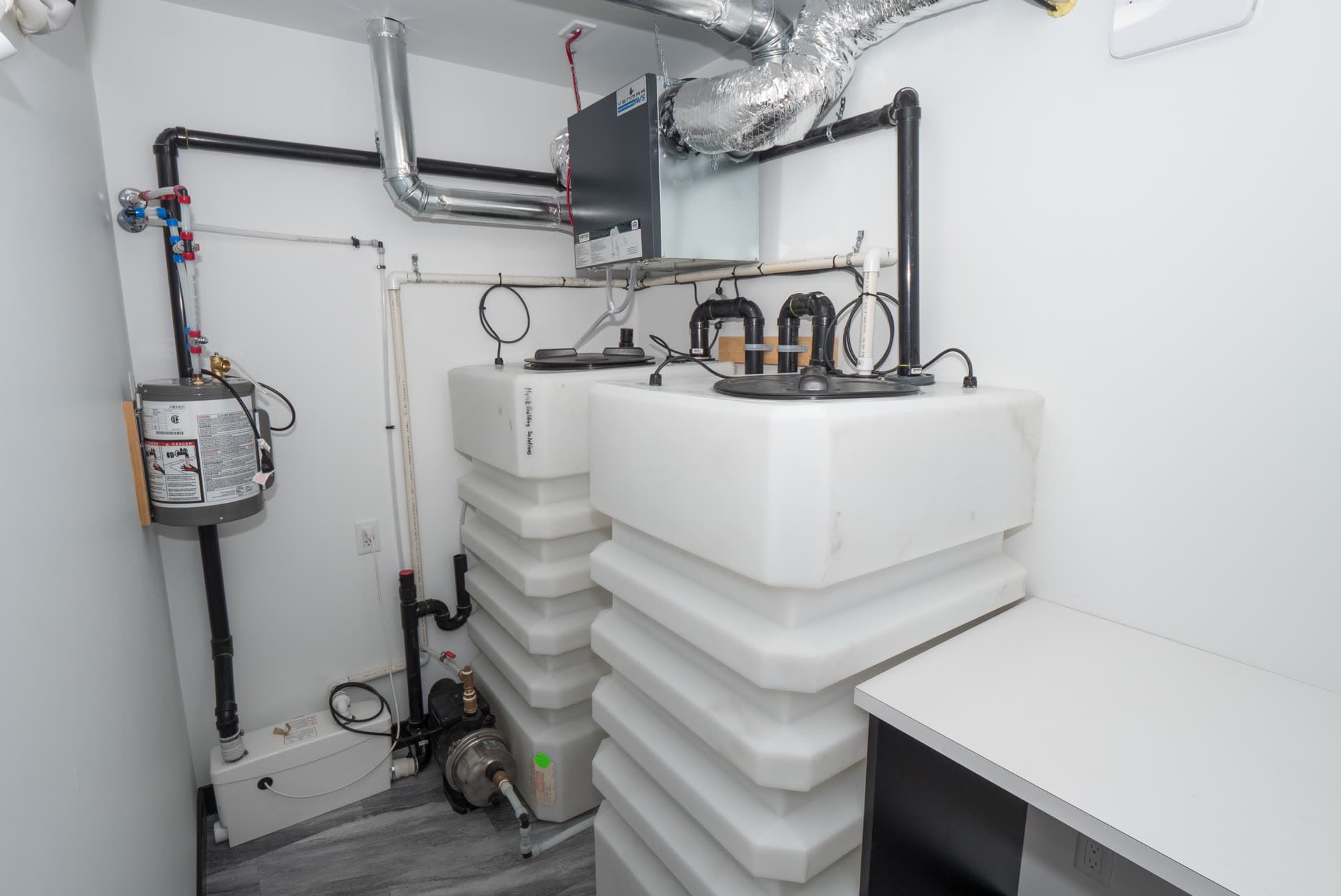
Utilities that arrive with it
Water tanks, pump, water heater and heat-recovery ventilation ride inside the unit. It can stand on a site with no services at all, and tie into community water and power on the day those reach it.
More than beds
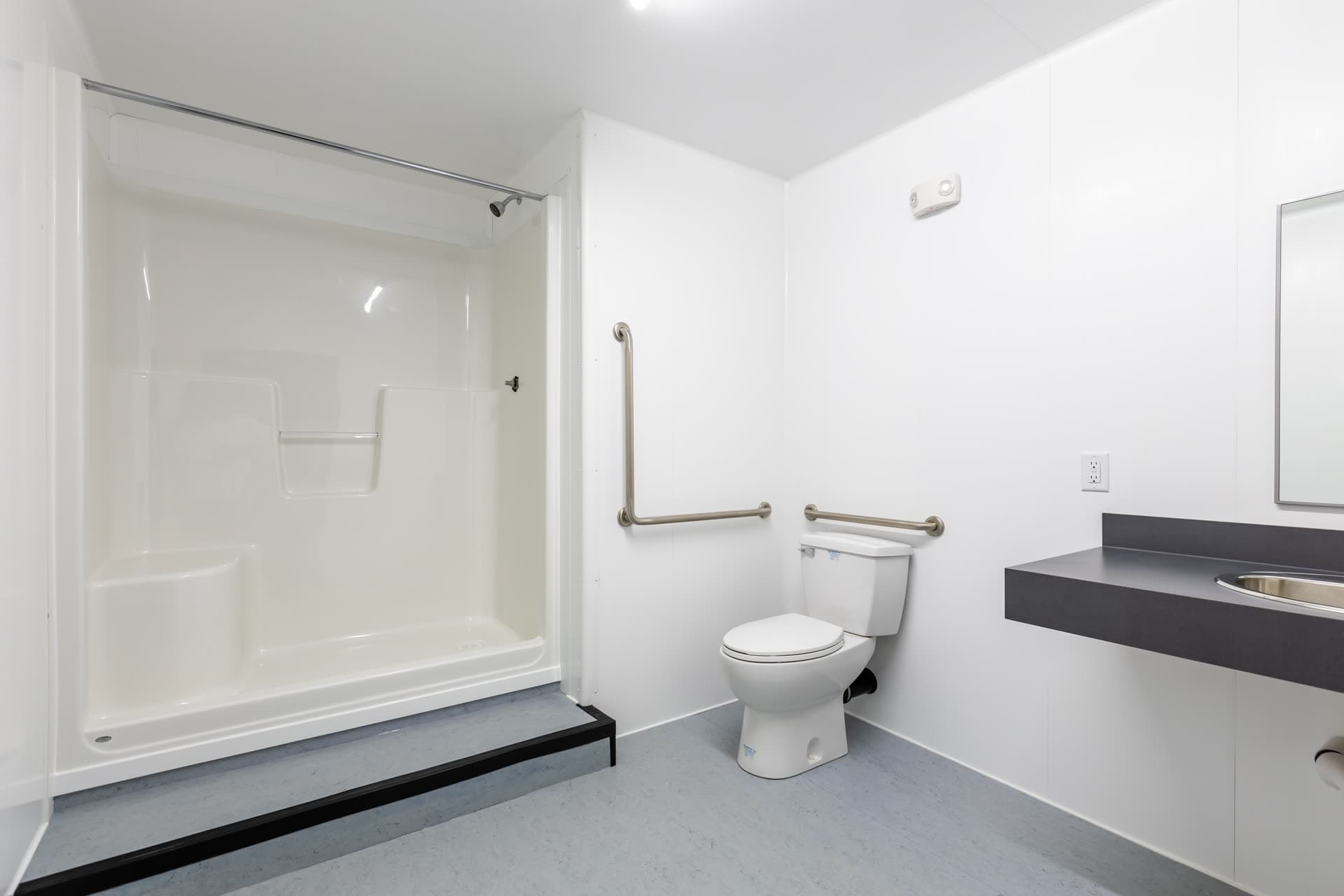
Washrooms, classrooms and offices are built on the same line, to the same code. A reception centre or a work camp needs those before anyone can actually stay on the site.
The same unit, configured to stay
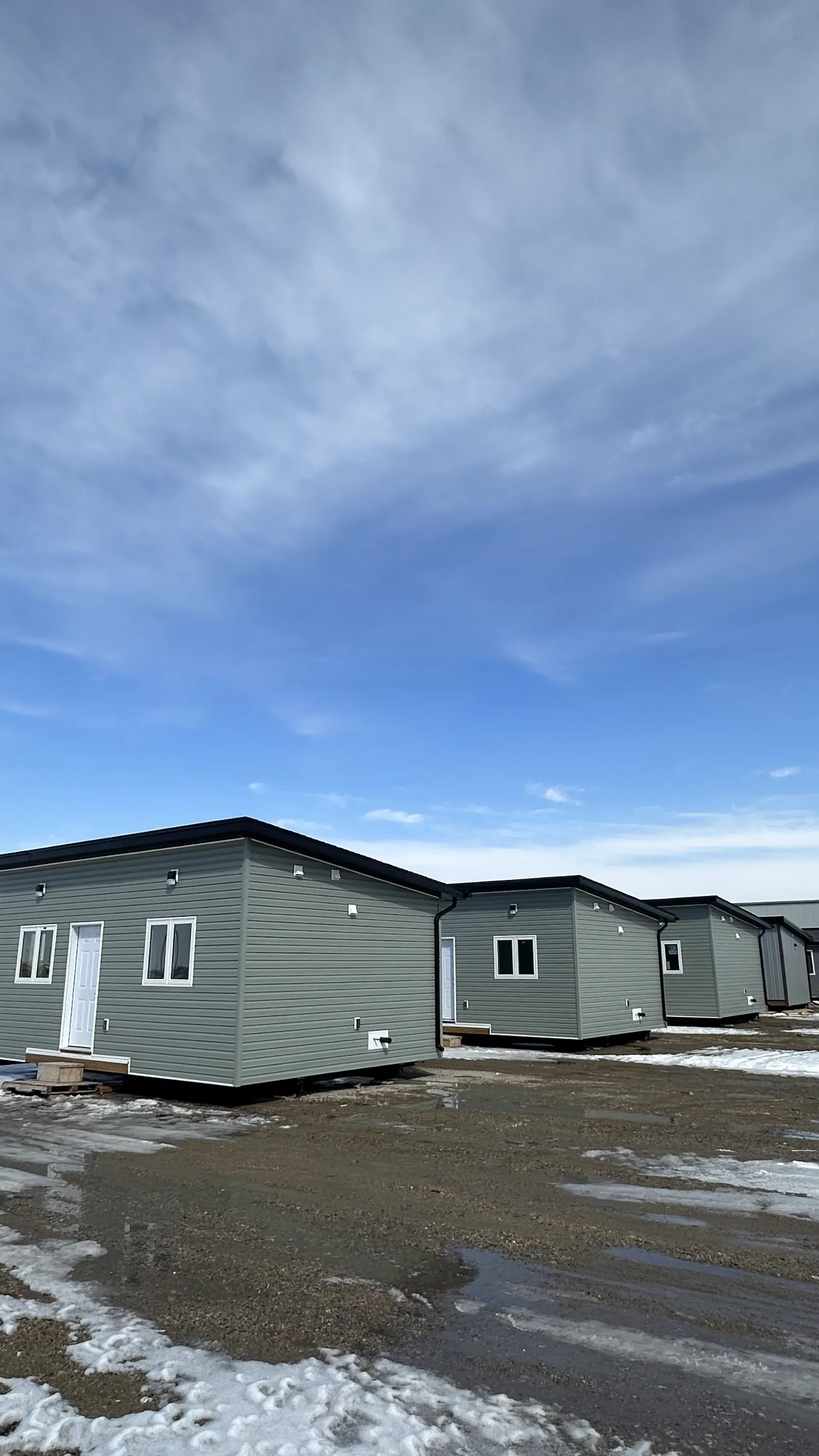
Communities use these to move people out of temporary shelter and then keep the asset. It is an all-weather home built for zones 6 to 8, not a trailer that has to be replaced in five years.
The unit,
and the skid under it.
Two short films: what a deployment looks like, and how the steel skid lets a finished building set down on ground that has no foundation.
 Setting the Pilot Butte spray park washroom
 Chained down for a remote run
 Winter highway, module in convoy
 Night load-out at the yard
 Inside the plant
 Loading out
 On the road
 Down the highway
 Chained down for the road
 Loading for St. Theresa Point
 Northwest Territories delivery
 Convoy leaving the yard
 Screw piles, explained from the field
 Housing delivered after the fire
 Rebuilding after natural disasters
 Overnight delivery run
 Night crew, loading out
 Highways washroom, factory to site
 Steel-skid commercial builds
 Delivering across the prairies
Deployment, answered.
How fast can units be on site?
Units are built before they are needed and ride on steel skids with their own utilities, so delivery and occupancy are measured in days from the request rather than the weeks or months conventional construction takes.
Do we need a foundation or utility hookups first?
No. Every unit sits on an engineered steel skid, which removes the poured foundation, and carries its own plumbing, electrical and HVAC. It can go onto a remote or service-limited site now and connect to services when they exist.
Do you deliver to fly-in and winter road communities?
Yes. Homes for St. Theresa Point First Nation travelled roughly 700 km over winter ice roads. Road, rail and barge routes are planned as one chain, and the schedule is built around the season the route is open.
Can the community keep the units afterward?
Yes, and most do. The units are engineered to be moved repeatedly without losing structural integrity, so the same assets can serve an emergency, then transitional housing, then permanent housing on a different lot.
How is this bought?
Directly, or through provincial and federal housing and infrastructure programs. Herauf Modular is an Indigenous joint venture structured to qualify under the federal Procurement Strategy for Indigenous Business, which opens Indigenous set-aside competitions and counts toward the five percent target departments carry.
Tell us the site
and the date.
Send us the community, the number of units and when they have to be standing. We will come back with what can be on the ground by then.