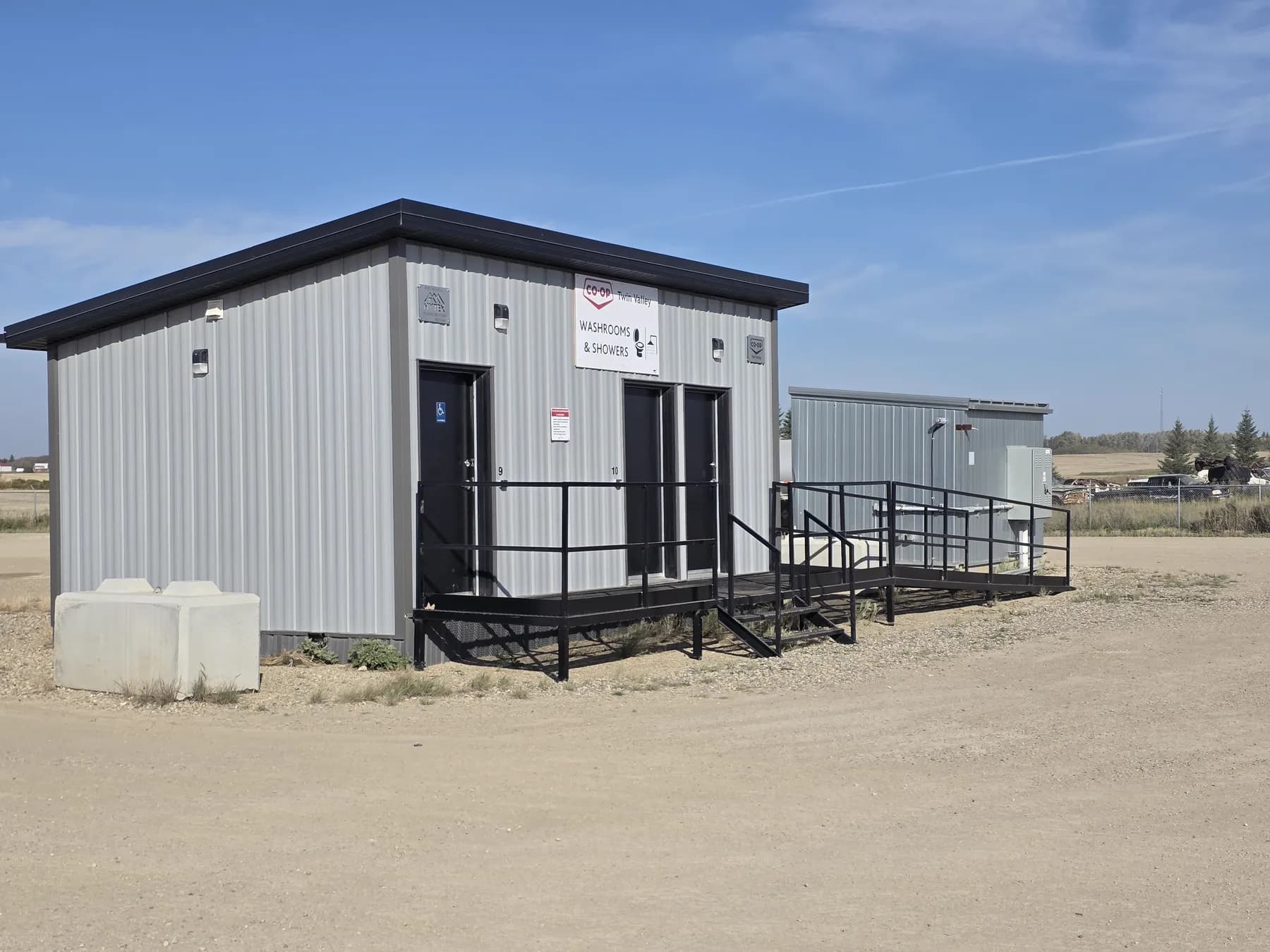
An RTM home (ready-to-move) is a house built complete above grade in a builder's yard, then lifted onto a truck and moved to a permanent foundation on your land in a single piece. A modular home reaches your land built too, but it is constructed as sections in an indoor facility, built to CSA A277 before it leaves, and joined together on the foundation. The practical differences are how it is certified, how far it can travel, and how big it can get.
Building in a specific province or city? Go straight to the page for it: RTM homes in Saskatchewan, RTM homes in Alberta, RTM homes in Manitoba, RTM homes in Saskatoon or RTM homes in Regina. Each one carries the delivery routing, foundation and permit detail for that area, and Herauf RTM homes shows the plans that move in one piece. The rest of this article is the plain comparison.
What an RTM Is
An RTM is typically a conventionally framed house, built above grade in a builder's yard, then lifted onto a truck and moved to a permanent foundation, usually within a regional radius of the yard. Because it moves in one piece, the whole house has to fit down a highway at once. RTMs are a well-established option in Saskatchewan and Manitoba, and good yards build good houses.
What a Modular Home Is
A modular home is built as one or more sections in an indoor facility, to CSA A277, the Canadian standard for factory-built construction, and the National Building Code. Sections are finished inside the plant, transported individually, and joined on the foundation. Both RTMs and modulars end up as real property on a permanent foundation; the path there is what differs.
Difference 1: Where the Inspection Happens
Under CSA A277, quality control happens inside the factory: units are inspected stage by stage as they're built, before walls are closed in, so the work behind the walls is checked before it is ever covered. Herauf's homes meet or exceed CSA A277. An RTM built in a yard follows the conventional inspection route instead, arranged through the builder and the local authority. Neither approach is wrong; the A277 route simply moves quality control onto a production line where every unit passes the same checkpoints, indoors, in every season.
Difference 2: How Far It Can Travel
A single-piece house is a wide, tall, heavy load, and every kilometre adds cost and constraint, so RTMs usually stay relatively close to the yard that built them. Modular sections are engineered for transport from the start. That's how our buildings reach places a one-piece house realistically can't: we've delivered over winter ice roads to St. Theresa Point First Nation and onto a remote bush site for NAIT's forestry campus. If your land is remote, access usually decides this question for you.
Difference 3: How Big It Can Get
An RTM is capped by what can move down a road in one piece. A modular home is capped by how many sections you join, which in practice means it isn't capped the way an RTM is. Our residential lineup runs from a 588 sq ft one-bedroom to a 1,358 sq ft three-bedroom built from full-width sections, and commercial projects stack sections into dormitories, classrooms, and multi-family buildings. If your plans include a wide footprint or future additions, sections scale; single pieces don't.
Where They're the Same
- Both sit on a permanent foundation you prepare ahead of delivery.
- Both are treated as real property, financed and insured like a site-built house. (More in our financing guide.)
- Both compress your on-site construction time to weeks instead of months.
The Short Version
If your land is close to a good RTM yard, your floor plan fits a single transportable piece, and the yard's build quality checks out, an RTM can serve you well. If your site is remote, your home is larger than one load, you want the work behind your walls inspected in the plant, or your delivery window lands in winter, modular is built for exactly that job. Most homes are manufactured and delivered in roughly 16 weeks, with site work running in parallel, and every quote is free and written. Tell us about your land and we'll give you a straight answer on fit, including when an RTM might genuinely be the better call for you.
Herauf builds both. If a single-piece, ready-to-move home is what suits your land, see our RTM homes, or go straight to the region you are building in: Saskatchewan, Alberta or Manitoba. Most of the ready-to-move demand we see comes off the Zehner plant's own doorstep, so if you are building on either side of Highway 11 there are pages for RTM homes in Saskatoon and RTM homes in Regina with the delivery detail for each.
Common questions
What is an RTM home?
An RTM home, short for ready-to-move, is a house built complete above grade in a builder's yard, then lifted onto a truck and moved to a permanent foundation on your land in a single piece. Because it travels whole, it has to fit down the highway in one load, which caps how big it can be and how far it can practically go.
What is the difference between a modular home and an RTM?
An RTM, or ready-to-move home, is typically a conventionally framed house built above grade in a builder's yard, then lifted onto a truck and moved to a permanent foundation in one piece. A modular home is built as one or more sections in an indoor facility to CSA A277 and the National Building Code, then transported individually and joined on the foundation.
Can an RTM be delivered to a remote site?
A single-piece house is a wide, tall, heavy load, and every kilometre adds cost and constraint, so RTMs usually stay relatively close to the yard that built them. Modular sections are engineered for transport from the start, which is how Herauf Modular has delivered over winter ice roads to St. Theresa Point First Nation and onto a remote bush site for NAIT's forestry campus.
Is a modular home limited in size the way an RTM is?
An RTM is capped by what can move down a road in one piece. A modular home is capped only by how many sections you join, which is why commercial projects can stack sections into dormitories, classrooms, and multi-family buildings.
Are RTM and modular homes financed the same way?
Both sit on a permanent foundation you prepare ahead of delivery, and both are treated as real property, financed and insured like a site-built house. Both also compress your on-site construction time to weeks instead of months.
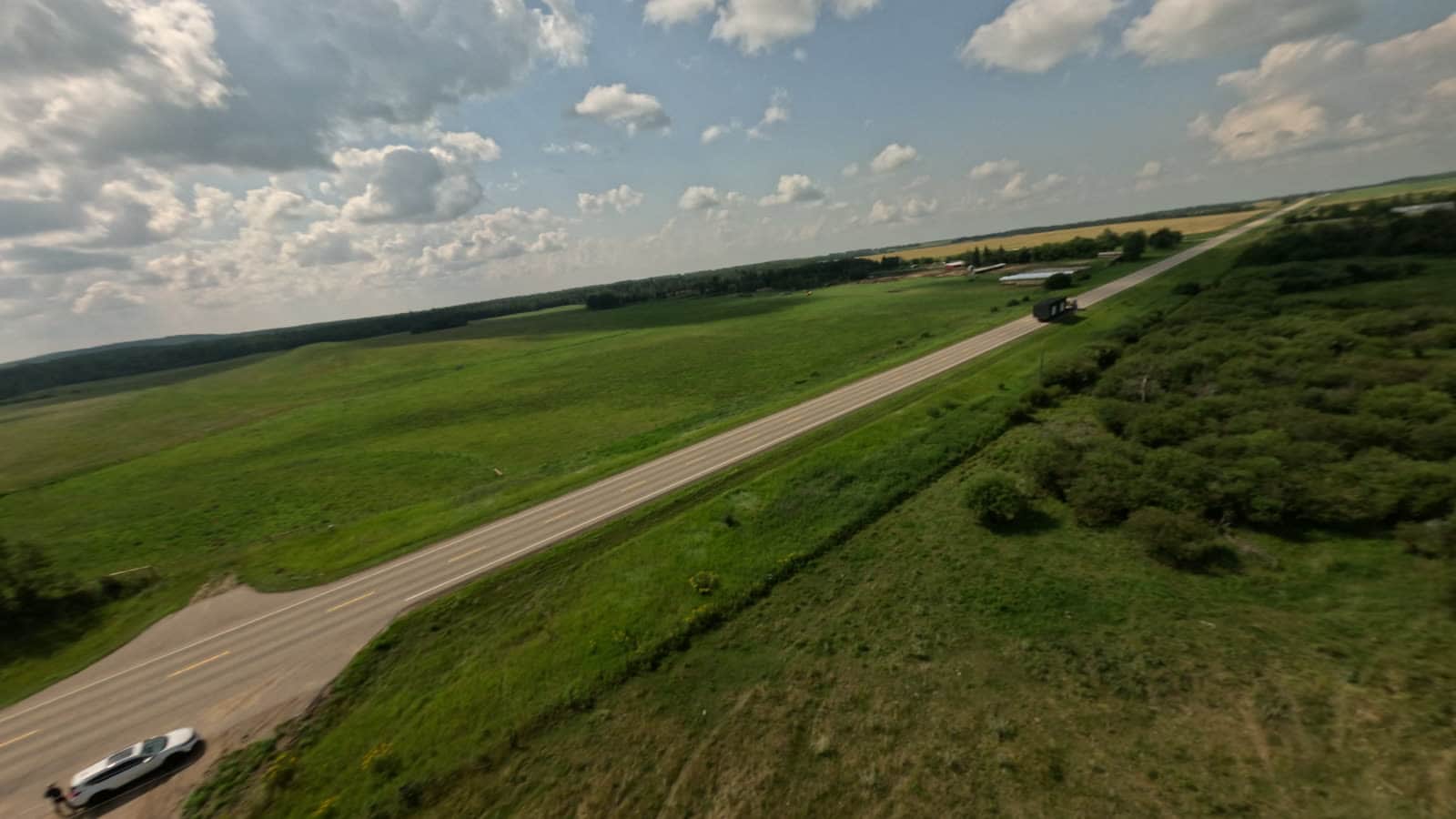
A finished home travelling the highway to its site