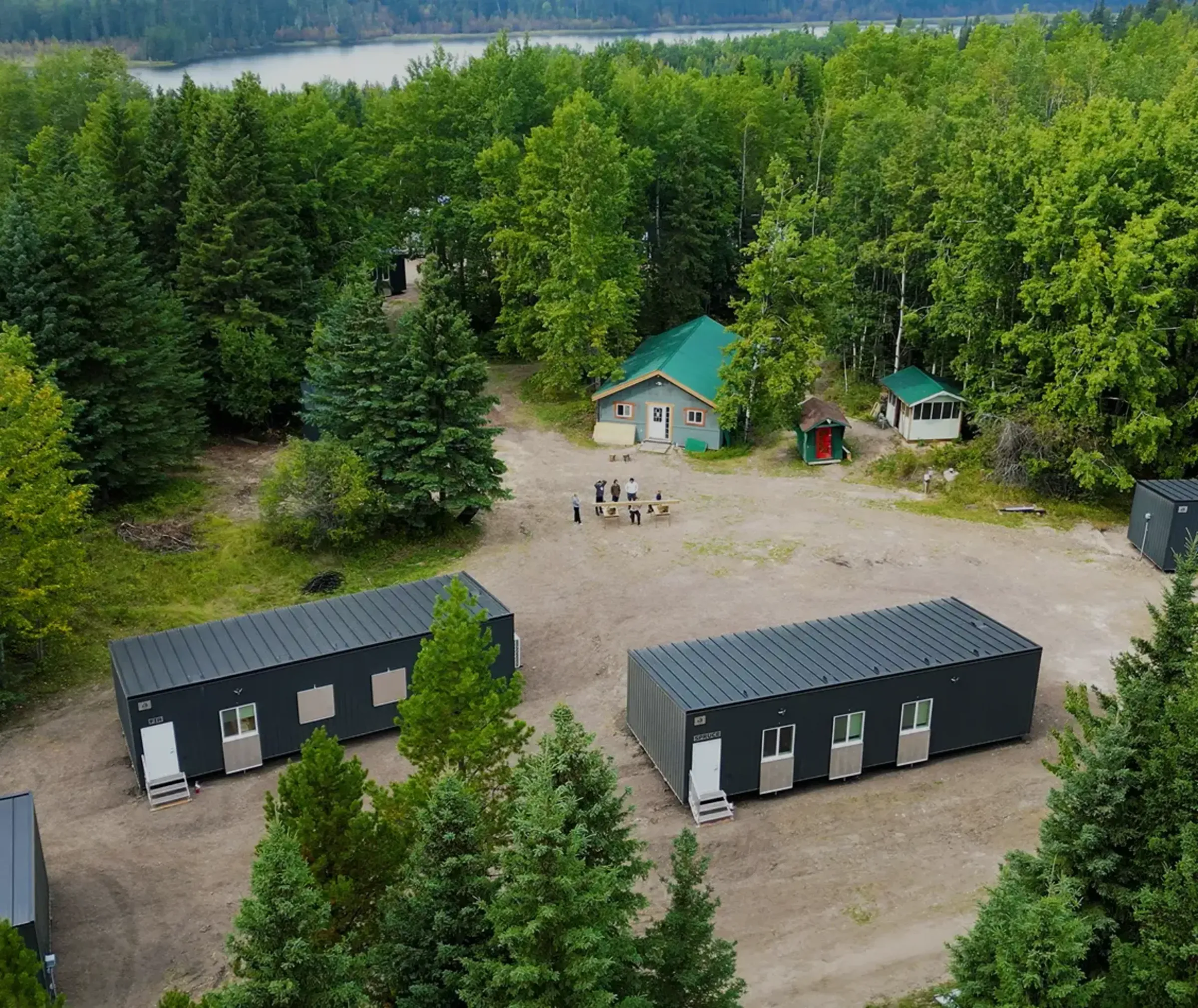
When you build on a conventional site, a local inspector visits at each stage, before the walls close up, before the drywall goes on, to confirm the work meets code. Modular is different. The modules arrive substantially complete, with wiring, plumbing, insulation, and finishes already sealed inside. So how does anyone confirm a finished module meets the same code as a site-built home? In Canada, the answer is CSA A277.
The inspection gap A277 closes
Most modular construction happens in a factory, far from the local building department, and the building shows up on site already enclosed. A local inspector cannot practically take a finished module apart to check the framing, the electrical runs, or the insulation behind the walls. CSA A277 fills that gap by moving the inspection to where the building is actually made: the factory.
What the standard covers
CSA A277 is the Canadian procedure for certification of prefabricated buildings, modules, and panels. Under it, an independent certification agency, accredited by the Standards Council of Canada, audits the factory's quality system on an ongoing basis. That oversight goes well beyond a single spot check. It covers:
- Documented quality-control procedures throughout production.
- Material sourcing and verification.
- Worker training and consistent production methods.
- Equipment maintenance and process documentation.
- Records that trace each module back to how and when it was built.
The goal is consistency: every module that leaves the line is built the same way, to the same standard, with the paperwork to prove it.
A277 and the National Building Code
CSA A277 is not a separate, lighter code for modular. It is the mechanism that confirms factory-built modules meet the same National Building Code as anything built on site. The certification verifies the process; the building code sets the bar. Herauf Modular units are built to meet or exceed CSA A277 and the National Building Code for climate zones 6 through 8, the cold-climate zones that cover most of the Prairies, British Columbia's interior, and the North.
Where it is required
Meeting CSA A277 is recognized across the country as the accepted way to demonstrate code compliance for modular work, though each province sets its own rules. Alberta, for example, has since May 2024 treated a building certified to A277 by an accredited body as compliant, while also accepting other routes such as review by registered professionals or local inspection (Alberta Municipal Affairs, STANDATA 23-BCV-002, May 2024). For a buyer or a municipality, that recognition matters: it means a certified module is treated as code-compliant by the authority having jurisdiction, without a local inspector needing to open up finished walls.
What it means for your project
For you, CSA A277 is a written standard you can hold a manufacturer to. A building that meets it was inspected throughout its build against the same code as a site-built structure, and the inspection records give your local building authority what it needs to approve it. Combined with a controlled, weather-protected factory, that is how modular delivers consistent quality on a faster timeline.
What a factory inspects, who checks it and what to ask a manufacturer are covered in quality control in a modular factory.
See how that translates on real projects in our project results, walk through our build process, or talk to our team about your project.
Common questions
What is CSA A277?
CSA A277 is the Canadian procedure for certification of prefabricated buildings, modules, and panels. Under it, an independent certification agency accredited by the Standards Council of Canada audits the factory's quality system on an ongoing basis, covering documented quality-control procedures, material sourcing, worker training, equipment maintenance, and records that trace each module back to how and when it was built.
Does CSA A277 replace the National Building Code?
No. CSA A277 is not a separate, lighter code for modular. It is the mechanism that confirms factory-built modules meet the same National Building Code as anything built on site, so the certification verifies the process while the building code sets the bar.
Who inspects a modular home if the walls are already sealed?
CSA A277 moves the inspection to the factory, where the building is actually made, because a local inspector cannot practically take a finished module apart to check framing, electrical runs, or insulation behind the walls. A certified module is treated as code-compliant by the authority having jurisdiction without a local inspector needing to open up finished walls.
Do provinces require modular buildings to meet CSA A277?
It is the accepted way to show that a factory-built building meets code across Canada, but the rules differ by province. In Alberta, for example, since May 2024 a building carrying A277 certification from an accredited body is considered to comply, and the province also accepts other routes such as review by registered professionals or local inspection (Alberta Municipal Affairs, STANDATA 23-BCV-002). Ask your local building authority what it accepts.
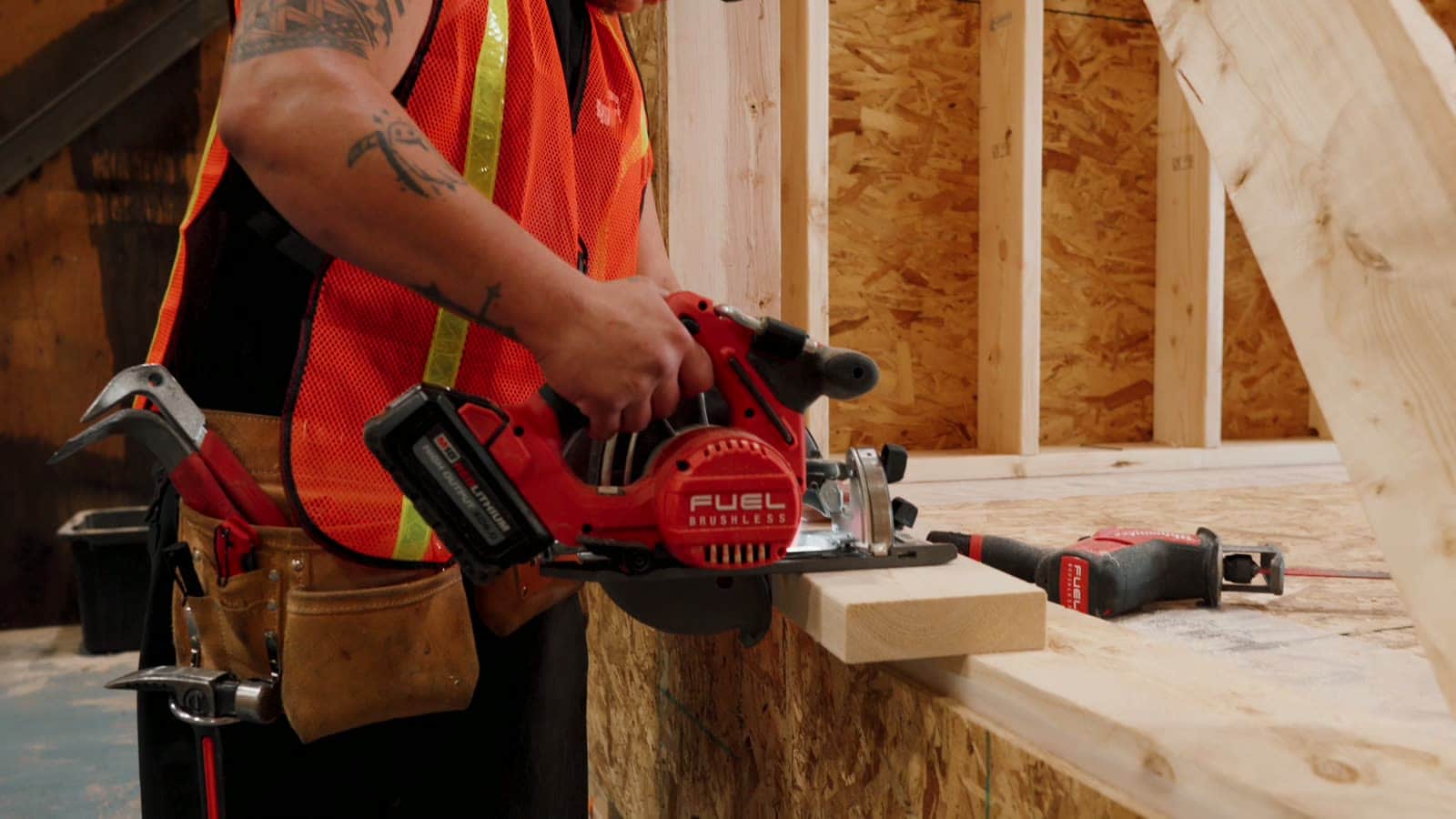
Framing a Herauf module inside the Zehner facility