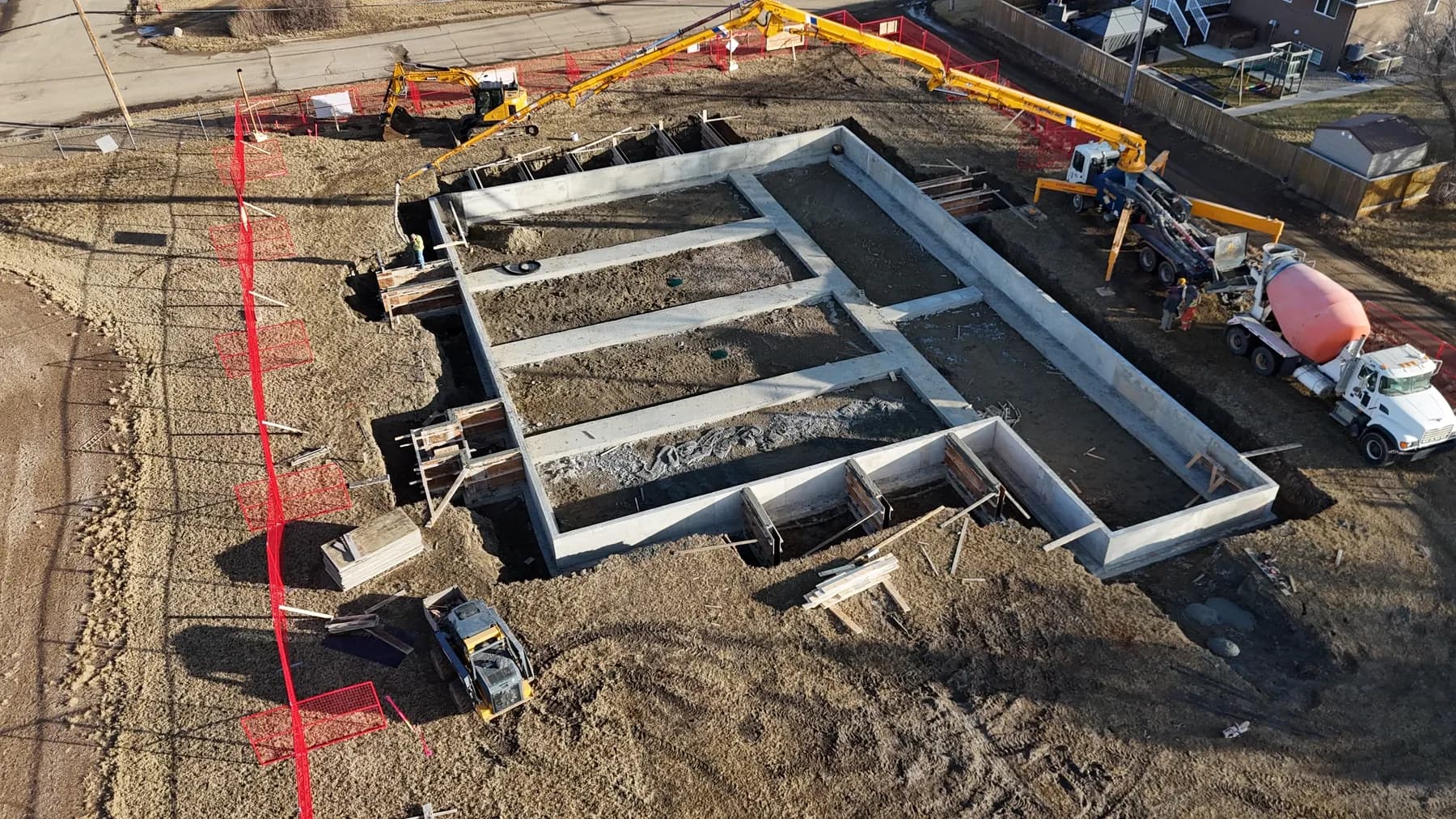
The most common financing question we hear is some version of “can you even get a mortgage on one of these?” The answer is yes, and it's simpler than most buyers expect: a modular home on a permanent foundation is real property, built to the same National Building Code as a site-built house, so lenders treat it like one. Here's the path from first conversation to keys, in plain language.
Why Lenders Treat Modular Like Site-Built
Every Herauf home meets or exceeds CSA A277 and the National Building Code, and is inspected in the plant as it is built. Once it's set on your permanent foundation, there is no legal or structural category separating it from a conventionally built house: it's appraised the same way, insured the same way, and eligible for the same mortgages, including insured mortgages where the usual qualifying rules apply. (This is one of the sharpest differences from manufactured or mobile homes; we break that down in this comparison.)
Step 1: Pre-Approval, Same as Any House
Start where you would with any home purchase: talk to your bank, credit union, or mortgage broker and get pre-approved for the total project, home, land if you don't own it yet, foundation, and site work. Prairie credit unions and brokers see factory-built projects regularly. Bring your written quote; lenders like modular projects because the price is fixed in writing before construction starts, which removes the cost-overrun risk that makes them nervous about conventional builds.
Step 2: The Build Is Financed in Stages
New-construction homes are usually financed with progress draws: the lender releases money at defined milestones rather than all at once. With a modular build the milestones are simple, because the home is one manufactured product delivered largely complete, not a hundred subcontractor invoices. Your written Herauf quote lays out the payment schedule for your specific project, so your lender can map draws to it before anything is signed.
CMHC Prefab Plus
In 2026 CMHC introduced Prefab Plus, mortgage loan insurance written specifically for factory-built homes. The parts that matter to a buyer: a minimum down payment of 5%, and funds released in up to four stages as milestones are met, for example one draw to acquire and prepare the land and another once the home is delivered and ready to install. It applies where the lending value is under $1.5 million, on one to four unit properties with at least one unit owner-occupied.
Two honest cautions. Lender participation is not automatic: each lender sets its own guidelines, so ask yours directly whether they write Prefab Plus rather than assuming. And a pre-approval is not a guarantee. It is still worth raising by name, because a lender who has not financed a factory-built home before will often say no out of unfamiliarity rather than risk, and naming the insured program is the fastest way past that conversation.
Why the CSA Label Decides Your Financing Path
This is the part most buyers never hear, and it is the one that quietly determines how easy the whole process is. The standard the home is built to is what sets the financing route. A CSA A277 modular home on land you own finances through an ordinary residential mortgage, a construction mortgage during the build, or an insured mortgage. A home built to CSA Z240 MH, the manufactured-home standard, goes down a different path through specialty lenders until it is deregistered as real property.
Every Herauf home is built to CSA A277. That is not a marketing distinction; it is the reason your mortgage conversation looks like everyone else's. If you are comparing us against a supplier whose product is Z240, you are also comparing two different financing experiences, and it is worth asking which standard you are being quoted before you compare prices.
What the Appraisal Actually Looks At
A completed modular home on a permanent foundation is appraised the way any house is, against comparable sales nearby. The construction method is not what the appraiser is assessing, provided the CSA certification and the permanent foundation are documented.
Where appraisals get uncomfortable is comparables, not construction. In an area where few factory-built homes have sold, the appraiser has a thinner set of sales to reason from, and an appraisal that lands below your build cost is a gap you would have to cover in cash. Ask your lender early what comparable sales exist near your land. It is a question that is far cheaper to answer before you commit than after.
Step 3: Where the 16 Weeks Pays You Back
During construction you typically pay interest on the money drawn so far, and often rent or a mortgage on wherever you currently live. That carrying cost runs until the home is finished. Most Herauf homes are manufactured and delivered in roughly 16 weeks, up to 50% faster than conventional construction, because your foundation and services are built while the home is on the production line. A build window that's months shorter means months less construction interest and double housing costs. For most buyers this is the quiet financial advantage of modular that never shows up on the sticker.
Step 4: Don't Leave the $15,000 on the Table
The Herauf $15,000 Build Credit takes $15,000 off the contract price of eligible new builds. It is a credit from Herauf, not a government grant. It takes a few minutes to check whether your project qualifies.
What to Have Ready
- Your land details (owned, or the parcel you're buying) and rough site access notes.
- A written quote, free, and usually back within one business day once you tell us about your project.
- Your pre-approval conversation started, so the draw schedule and quote land at the bank together.
The Short Version
Financing a modular home isn't a special category of lending; it's a normal mortgage on a normal house that happens to be built faster, indoors, at a written price. Fixed cost, shorter interest window, and the same appreciation as any other real estate. If a lender ever tells you otherwise, they're thinking of a different product, send them our way and we'll walk them through the CSA A277 paperwork ourselves.
Common questions
Can you get a mortgage on a modular home in Canada?
Yes. A modular home on a permanent foundation is real property, built to the same National Building Code as a site-built house, so lenders treat it like one.
Is a modular home harder to finance than a site-built home?
No. Once a modular home is set on a permanent foundation, there is no legal or structural category separating it from a conventionally built house. It is appraised the same way, insured the same way, and eligible for the same mortgages, including insured mortgages where the usual qualifying rules apply.
How is a modular home paid for during construction?
New-construction homes are usually financed with progress draws, where the lender releases money at defined milestones rather than all at once. With a modular build the milestones are simple, because the home is one manufactured product delivered largely complete, and your written quote lays out the payment schedule so your lender can map draws to it before anything is signed.
Does a faster build actually save money?
During construction you typically pay interest on the money drawn so far, and often rent or a mortgage on wherever you currently live. Most Herauf homes are manufactured and delivered in roughly 16 weeks, up to 50% faster than conventional construction, so a build window that is months shorter means months less construction interest and double housing costs.
What is CMHC Prefab Plus?
Prefab Plus is mortgage loan insurance CMHC introduced in 2026 for factory-built homes. It allows a minimum down payment of 5% and releases funds in up to four stages as construction milestones are met, on properties with a lending value under $1.5 million and one to four units with at least one owner-occupied. Lender participation is not automatic, so ask your lender by name whether they write it.
Will a modular home appraise the same as a site-built house?
A completed modular home on a permanent foundation is appraised against comparable sales the same way any house is, and the construction method is not what the appraiser is assessing, provided the home's CSA A277 compliance and permanent foundation are documented. The real variable is comparables: in an area where few factory-built homes have sold, there is a thinner set of sales to reason from. Ask your lender early what comparables exist near your land.
Does the CSA standard affect how I finance the home?
Yes, and it is the single biggest factor. A CSA A277 modular home on land you own finances through an ordinary residential mortgage, a construction mortgage during the build, or an insured mortgage. A home built to the CSA Z240 MH manufactured-home standard takes a different route through specialty lenders until it is deregistered as real property. Every Herauf home is built to CSA A277.
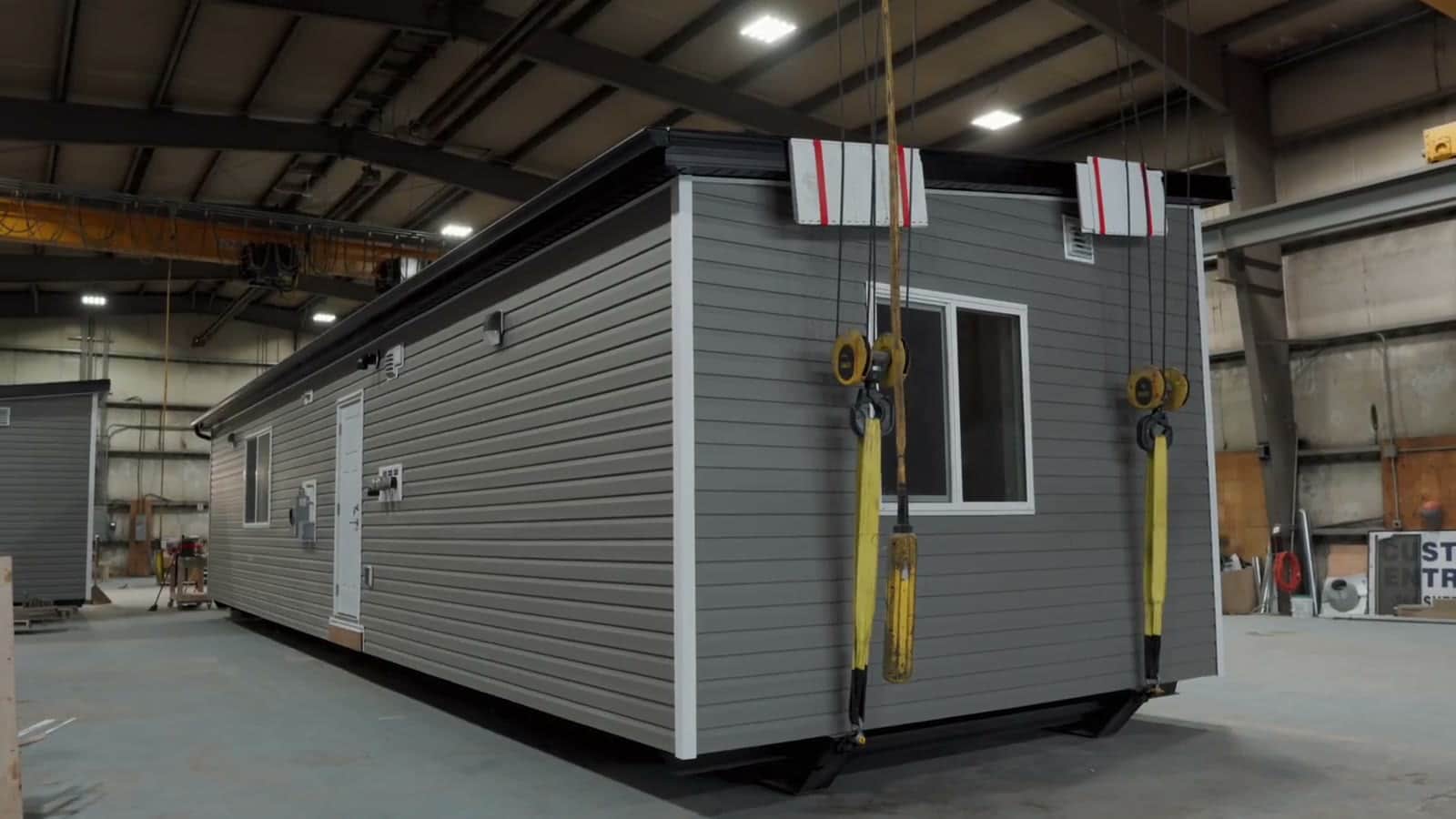
Inside a finished Herauf modular home