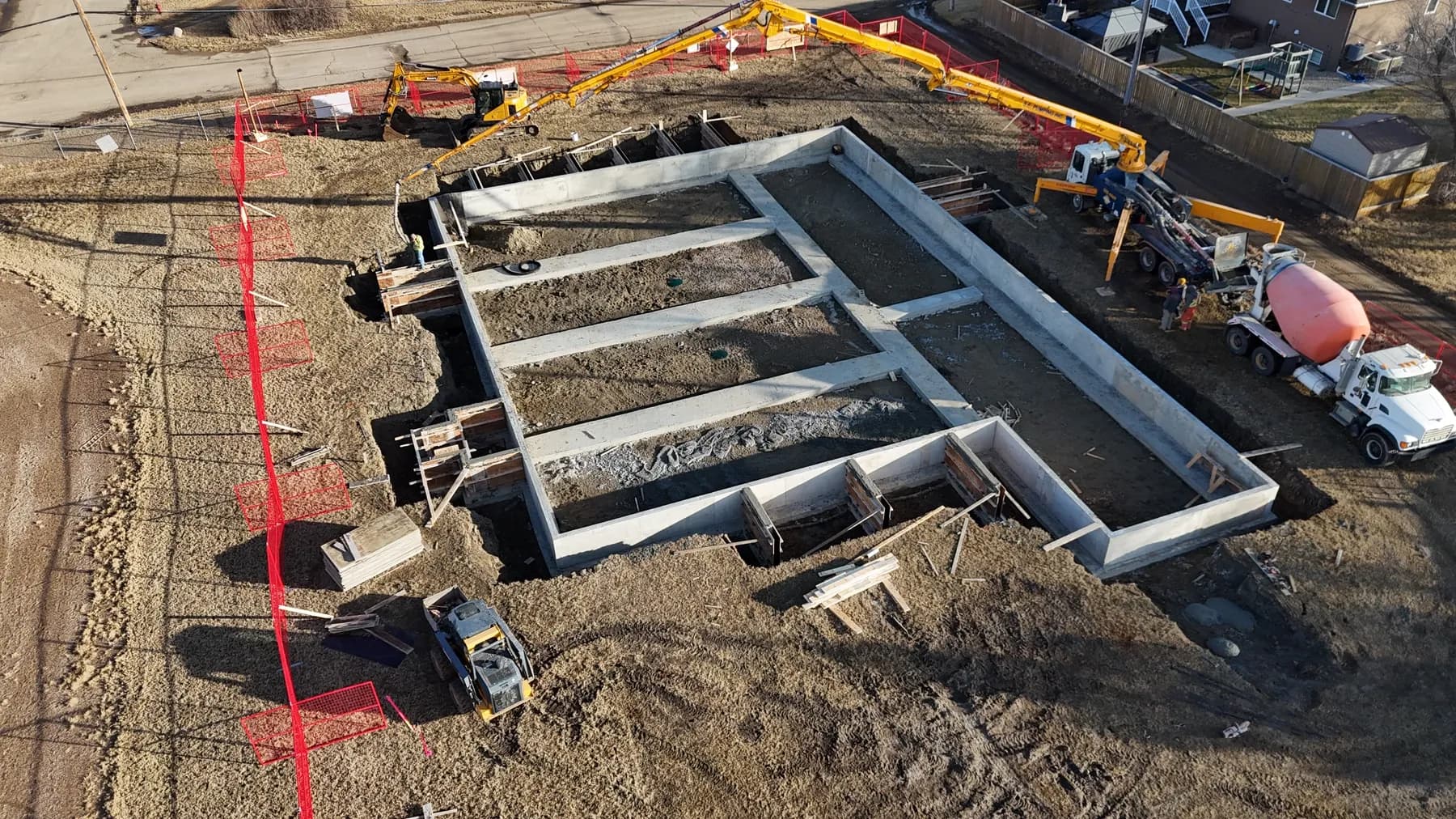
Modular construction runs about 16 weeks from order to move-in for most Herauf projects, up to 50% faster than building the same home on site. The reason is not that the factory works faster than a crew. It is that two timelines run at once: while the home is on the production line indoors, the foundation and services go in on your land.
The full breakdown of what those weeks cost is on the cost and timeline page. If the question is whether your land is ready for that schedule, start with the site-readiness checklist. The rest of this article is the calendar.
Where the weeks go
Weeks 1 to 2. Quote, drawings and order. The plan is confirmed, finishes are chosen, and the site-readiness checklist starts: access, foundation, services, permits, timing.
Weeks 2 to 4. Engineering and permits. The design is engineered to the National Building Code for your climate zone and the development permit is applied for ahead of the building permit.
Weeks 4 to 12. Production. The home is framed, wired, plumbed, insulated and finished indoors, inspected at each stage under CSA A277. On your site, the foundation goes in and services are brought to the pad in the same weeks.
Weeks 12 to 14. Finishing and staging. Cladding, roofing, interior finish and the pre-delivery inspection. Alberta-bound homes are staged at the St. Paul yard.
Weeks 14 to 16. Delivery, set and connection. The home travels by road, is set on the foundation by crane, and is connected to power, water and sewer. Final inspection, then keys.
Why it is not faster still
A custom home needs drawings, engineering and certification before the first wall is framed, and the site needs its permits in the right order. Those weeks cannot be skipped; they can only be overlapped. That is why an off-the-shelf model in stock can ship in as little as two weeks while a custom build takes the full sixteen.
What actually slows a build
The site, almost every time. A foundation that is not ready for set day, a building permit applied for before the development permit, a power line extension nobody called the utility about. The factory date is fixed weeks in advance; the schedule holds when the site is ready to meet it. Winter is not on the list: the build is indoors, and frozen ground carries a heavy load better than spring thaw does, which is how homes reach fly-in communities over ice roads.
The comparison
A site-built home of the same size typically takes twice as long, because every trade waits on the one before it and the weather. The stick-build versus modular comparison walks through where those months go.
Want the calendar for your project? Request a free quote and it comes back with a delivery window and a number in writing, usually within one business day.
Common questions
How fast is modular construction?
For most Herauf projects, about 16 weeks from order to move-in, up to 50% faster than building the same home on site. The saving comes from overlap: the home is built indoors while the foundation and services are prepared, so the two timelines run at the same time instead of one after the other.
Can a modular building be delivered faster than 16 weeks?
Yes, for off-the-shelf units. Published models that need no custom drawings can ship in as little as two weeks when they are in stock. Custom builds run the full 16 weeks because the design, engineering and certification steps happen before production starts.
What slows a modular build down?
Almost always the site, not the factory: a foundation not ready for set day, a permit applied for in the wrong order, or a utility line extension with a long lead time. Preparing the site in parallel is what keeps the schedule at 16 weeks.
Does winter slow modular construction?
No. The build happens indoors, and frozen ground carries heavy loads better than spring thaw, so deliveries run through the prairie winter, including over ice roads to fly-in communities.
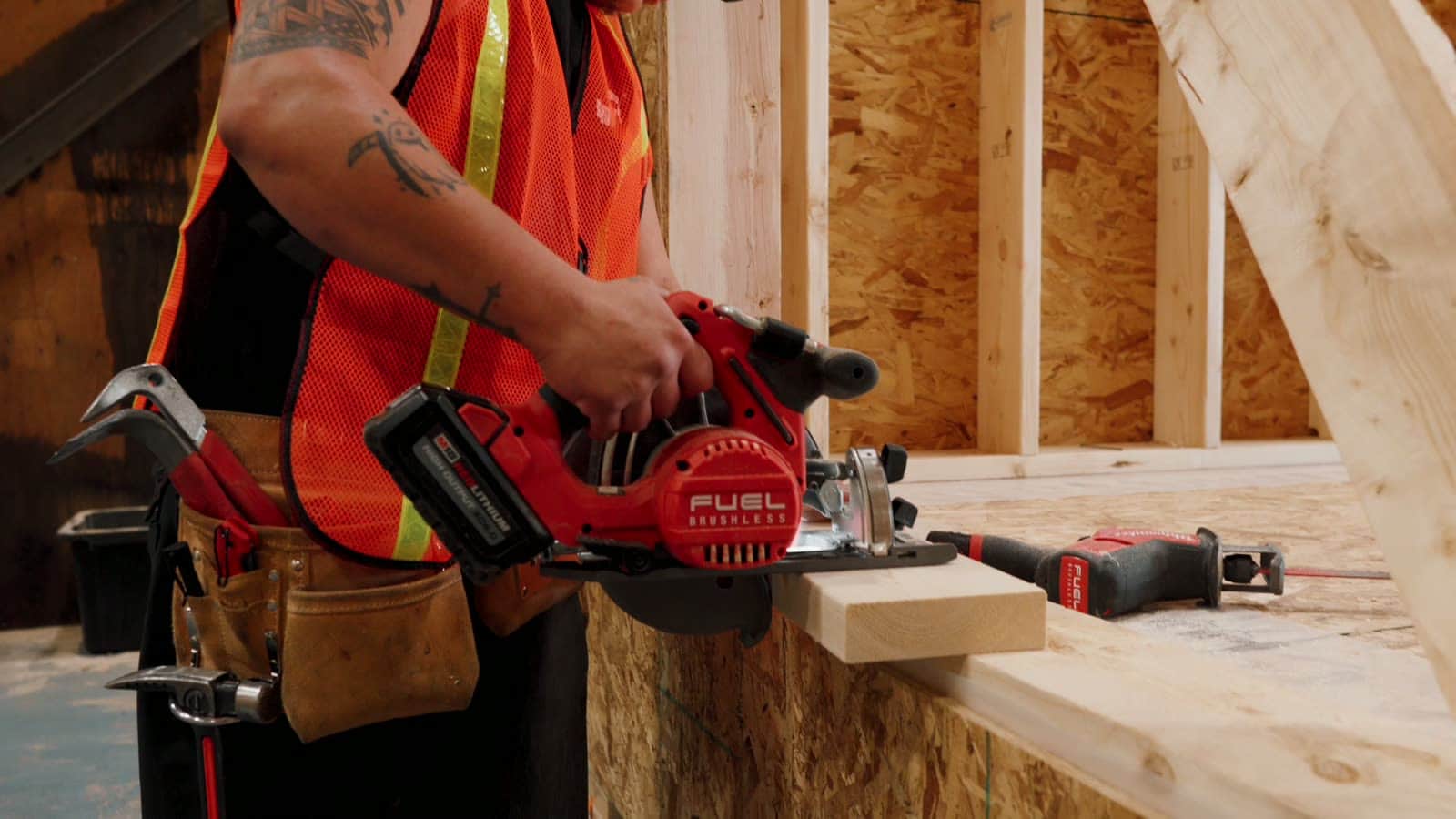
Framing indoors at the Zehner plant