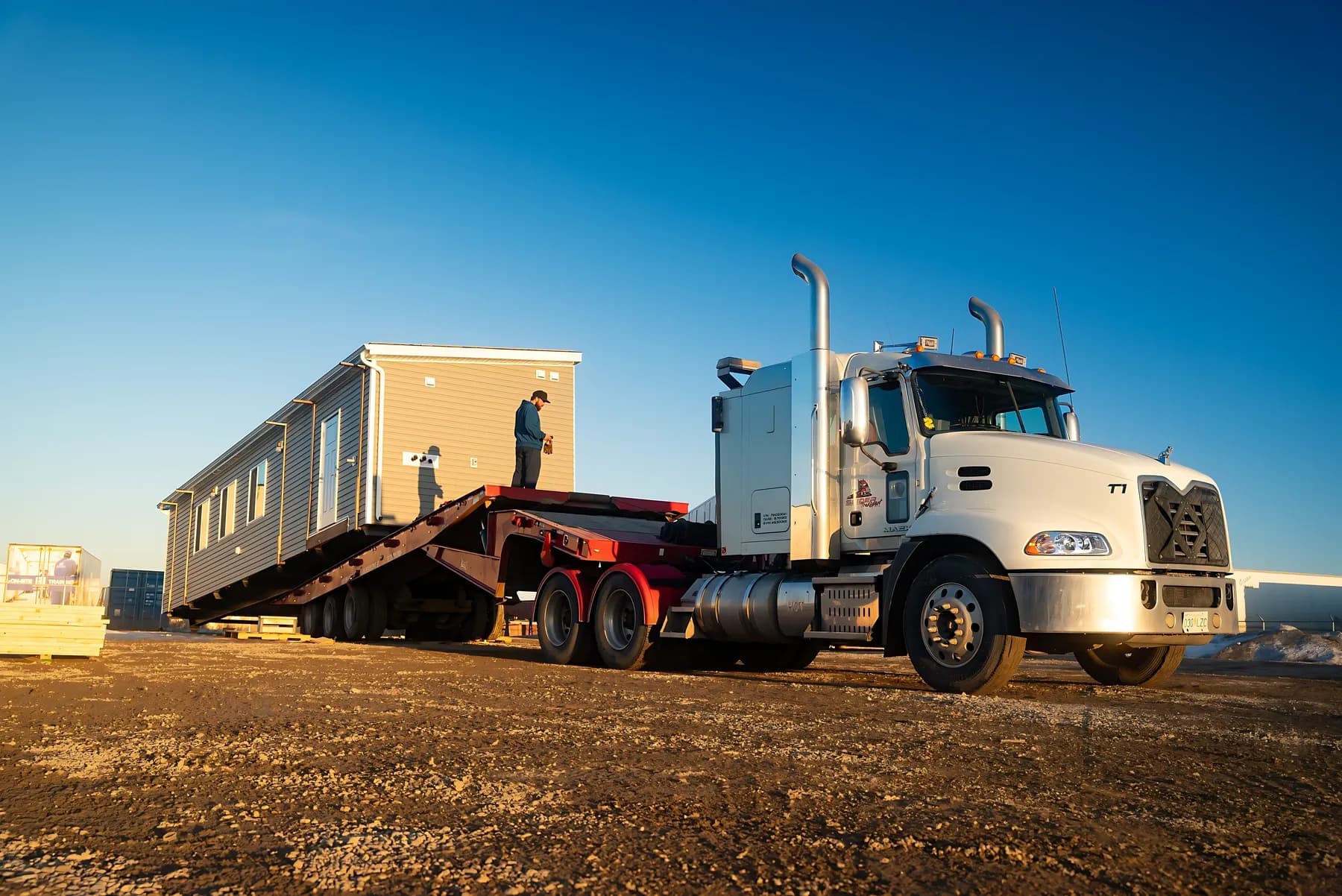
Stick built means a building framed on its own site, one stud, joist and rafter at a time, then finished there by each trade in turn. It is the traditional way most Canadian houses are built. A modular building is framed and finished as modules inside a plant, then delivered and set on its foundation.
One of the first decisions in any new build is the method: traditional stick-built construction or modular. The short answer: both have their place, but modular wins on speed, cost certainty, and quality consistency for most modern projects. Here's how the two compare, point by point.
Speed of Construction
Stick-built projects are completed entirely on site, which means progress can be delayed by weather, labor shortages, or material availability. Modular construction takes place in a controlled facility, with site work and building fabrication happening at the same time. This parallel process significantly reduces project timelines.
Cost Control
With stick-built methods, costs can increase due to delays, weather damage, and material waste. Building in a plant keeps materials out of the weather, and CMHC notes that factory-built housing reduces material losses. Modular construction also uses efficient production systems and allows pricing to be confirmed earlier in the process. This provides greater budget certainty and fewer unexpected expenses.
Quality and Consistency
In stick-built projects, quality can vary depending on site conditions and crew availability. Modular buildings are produced in a controlled environment where each module is built to exact specifications and inspected before leaving the factory. This ensures consistent quality from start to finish.
Environmental Impact
A site-built frame stands in the weather until it is closed in. Natural Resources Canada notes that prefabrication, including modular construction, can improve the speed, energy efficiency and consistency of construction, and CMHC notes that factory processes can improve air-sealing and reduce material losses.
There are trade-offs. CMHC's review of modular projects across Canada found that moisture during transportation and storage can be a serious issue if it is not planned for, and trucking finished modules has a footprint of its own. A building's design and heating system still decide most of its lifetime energy use. The evidence is set out in environmental advantages of modular building.
Flexibility and Scalability
While stick-built construction can be adapted on site, modular buildings are designed for easy expansion and relocation if needed. This makes modular ideal for clients who may need to grow or adjust their facilities over time.
For many clients, modular construction provides faster timelines, better cost control and consistent quality, all without compromising design or function.
If you are comparing stick build and modular construction for your project, contact Herauf Modular to learn how our approach can save you time and money.
Sources
- Natural Resources Canada, The Canada Green Buildings Strategy
- Canada Mortgage and Housing Corporation, Manufactured housing: quality at an affordable price
- Canada Mortgage and Housing Corporation, Key lessons on modular housing from across Canada
Common questions
What does stick built mean?
Stick built means the building is framed on its own site, one stud, joist and rafter at a time, and finished there by the trades in sequence. It is the traditional way most Canadian houses are built. A modular building is framed and finished as modules inside a plant, then delivered and set on its foundation.
Is modular construction faster than stick building?
Yes. Stick-built projects are completed entirely on site, so progress can be delayed by weather, labor shortages, or material availability. Modular construction takes place in a controlled facility with site work and building fabrication happening at the same time, and that parallel process significantly reduces project timelines.
How does modular construction control costs compared with stick build?
With stick-built methods, costs can increase due to delays, weather damage, and material waste. Building in a plant keeps materials out of the weather, and CMHC notes that factory-built housing reduces material losses. Modular construction also uses efficient production systems and allows pricing to be confirmed earlier in the process, which provides greater budget certainty and fewer unexpected expenses.
Is a modular building as well built as a stick-built one?
In stick-built projects, quality can vary depending on site conditions and crew availability. Modular buildings are produced in a controlled environment where each module is built to exact specifications and inspected before leaving the factory, which ensures consistent quality from start to finish.
Can a modular building be expanded or relocated later?
Modular buildings are designed for easy expansion and relocation if needed. That makes modular a strong fit for clients who may need to grow or adjust their facilities over time.
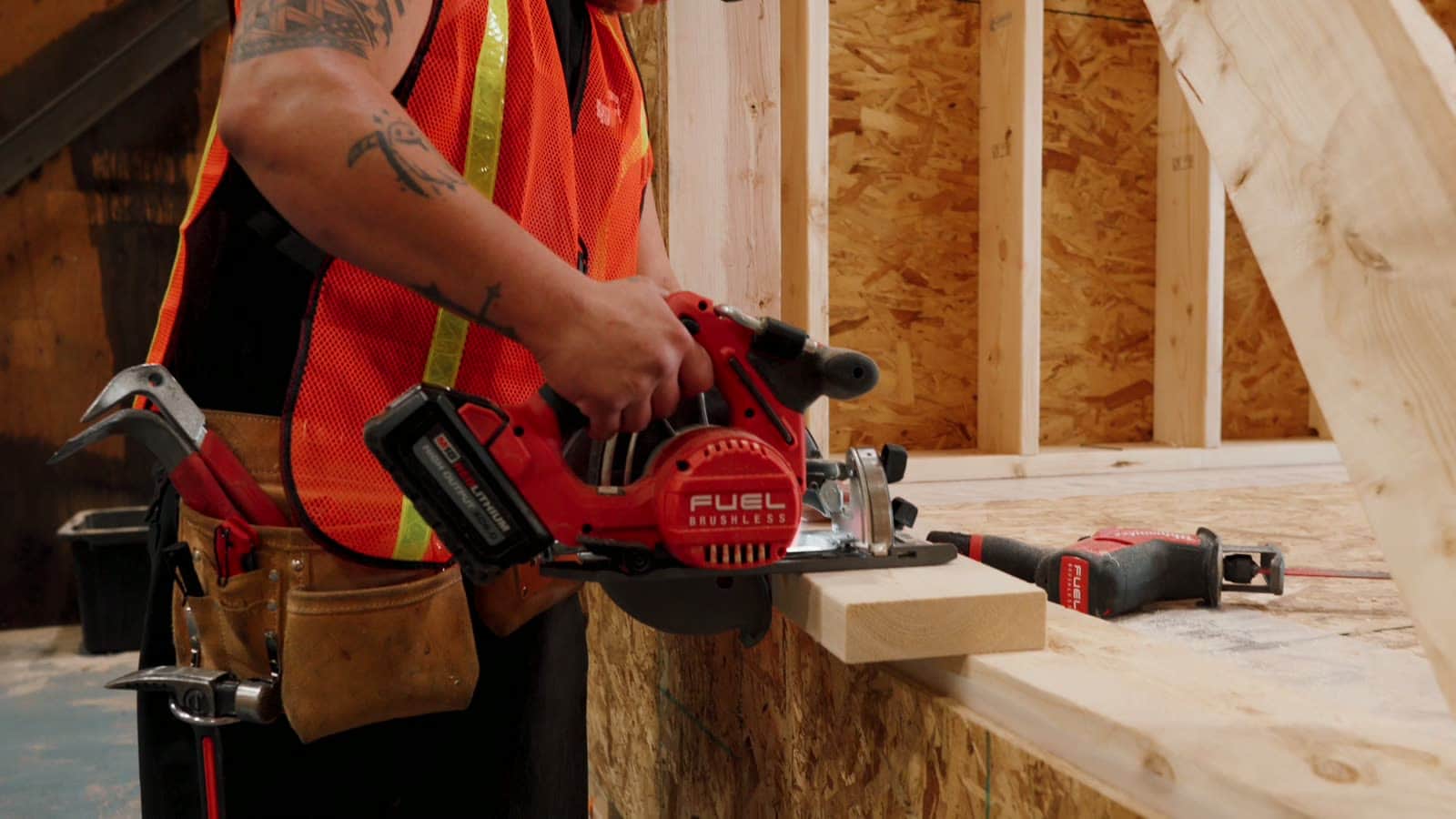
Framing a Herauf module indoors, out of the weather