New modular is usually the clearer route when a building must be designed for a defined programme, site and approval path. Used modular can fit when an existing building closely matches the need and the buyer can verify its documentation, condition, transport path, refurbishment scope and responsibility for approvals. Neither label answers the decision by itself. Compare both options against the same project brief.
Start with the required building, not the available unit
Record the intended use, capacity, rooms, accessibility needs, location, climate, support system, services and proposed occupancy before comparing inventory. A used unit that is available but does not fit the programme can create more changes and interfaces than a new building designed around the brief.
Documentation and code or location fit
A new project can develop drawings, specifications and project records around the proposed site and use. For a used building, ask which drawings, certification records, previous-use information and maintenance records are available. Do not assume that a prior approval or installation transfers to a different location or occupancy. The authority having jurisdiction and qualified project team determine what review applies.
Condition and refurbishment
Record visible condition and the areas that still require inspection. Separate cosmetic work from building-envelope, structural, mechanical, electrical, plumbing, accessibility or life-safety questions. Put every required refurbishment item, confirmation owner and decision point in writing before comparing proposals.
Transport, final approach and placement
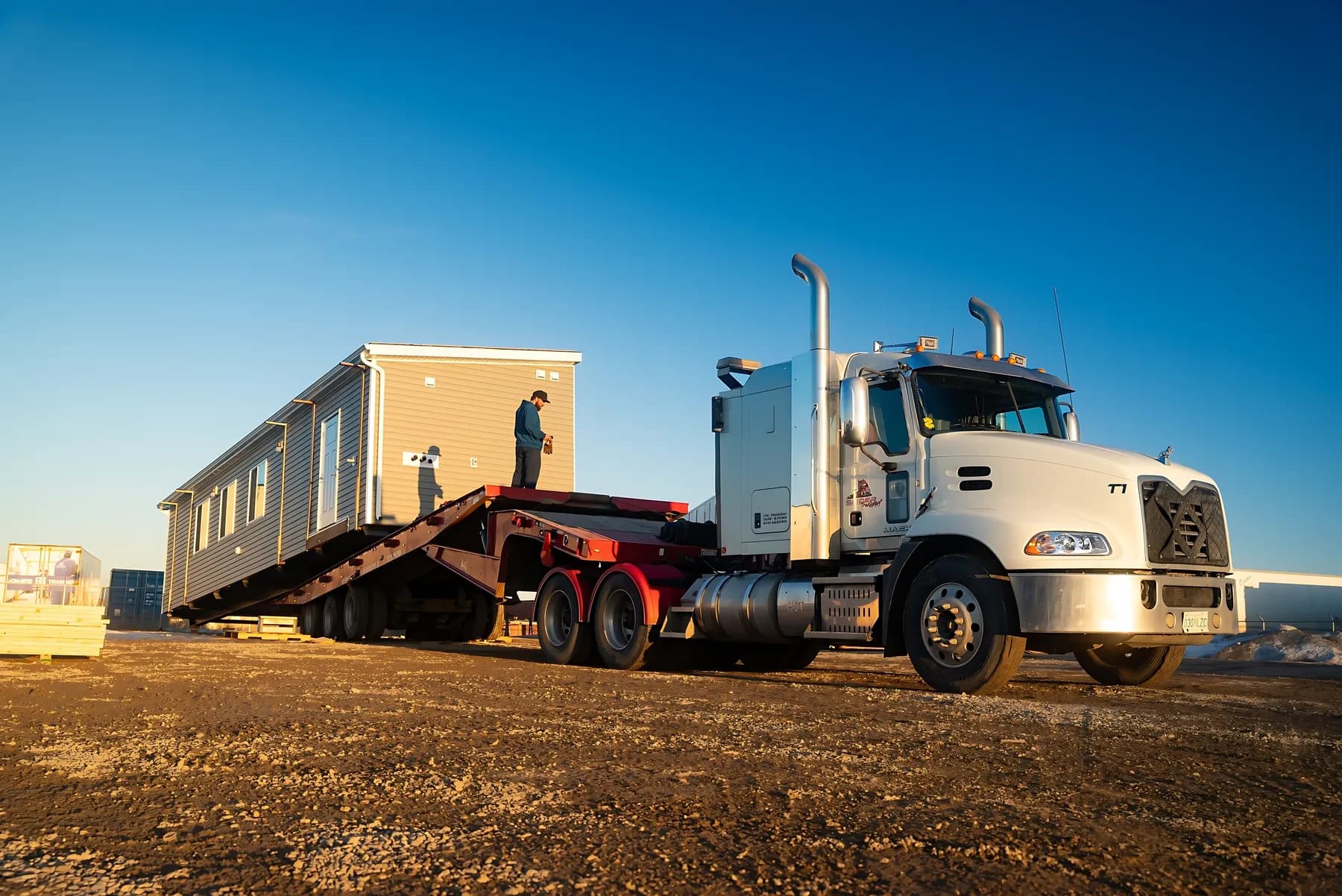
Both options need a workable route, final approach, staging area and placement plan. A used building also needs an origin-site removal plan and confirmation that its current configuration can be transported. Use the transport and site-access planning guide and the ungated route-review checklist before treating availability as deliverability.
Warranty and written responsibility
Ask each proposal to state the warranty or remedy that applies to the building, equipment, refurbishment, transport, placement and site interfaces. Do not assume a new-building warranty applies to used work, or that one party is responsible for every interface. The commercial scope and proposal tools provide a responsibility matrix and a consistent comparison method.
Schedule uncertainty
New work requires design, decisions and manufacturing. Used work may require inspection, records review, changes, refurbishment, removal and re-approval. Build a project-specific schedule for each option and show unresolved dependencies rather than promising that either route is automatically faster.
When each route can fit
- New modular can fit when programme, documentation, site interfaces, finish and written responsibility need to be coordinated from the beginning.
- Used modular can fit when a suitable building is available, its records and condition can be reviewed, and the required changes and approval path remain practical.
- Pause the comparison when a material record, condition, transport constraint, site interface or approval owner is unknown.
Compare on one written brief
Use the modular project brief workbook, record the same requirements for both routes, and compare inclusions, exclusions, allowances and confirmations line by line. Herauf's published resources do not represent an offer of used inventory. Request a project-specific conversation when the use, location and scope are ready to review.
Common questions
Is a new or used modular building the better choice?
New modular is usually the clearer route when the programme, location, code basis, documentation and written responsibility need to be designed together. Used modular can fit when a suitable existing building is available and its condition, records, transport, refurbishment and approval path can all be confirmed for the new site.
What documents should be reviewed for a used modular building?
Ask for available drawings, certification records, past use, maintenance and repair records, equipment information and previous site details. The project team and authority having jurisdiction determine which records and reviews are required for the proposed new location.
Does a used modular building always save time?
No. Availability alone does not establish the project schedule. Inspection, missing documentation, design changes, refurbishment, transport, site work and approvals can add uncertainty. Compare both options against the same written programme and responsibility matrix.