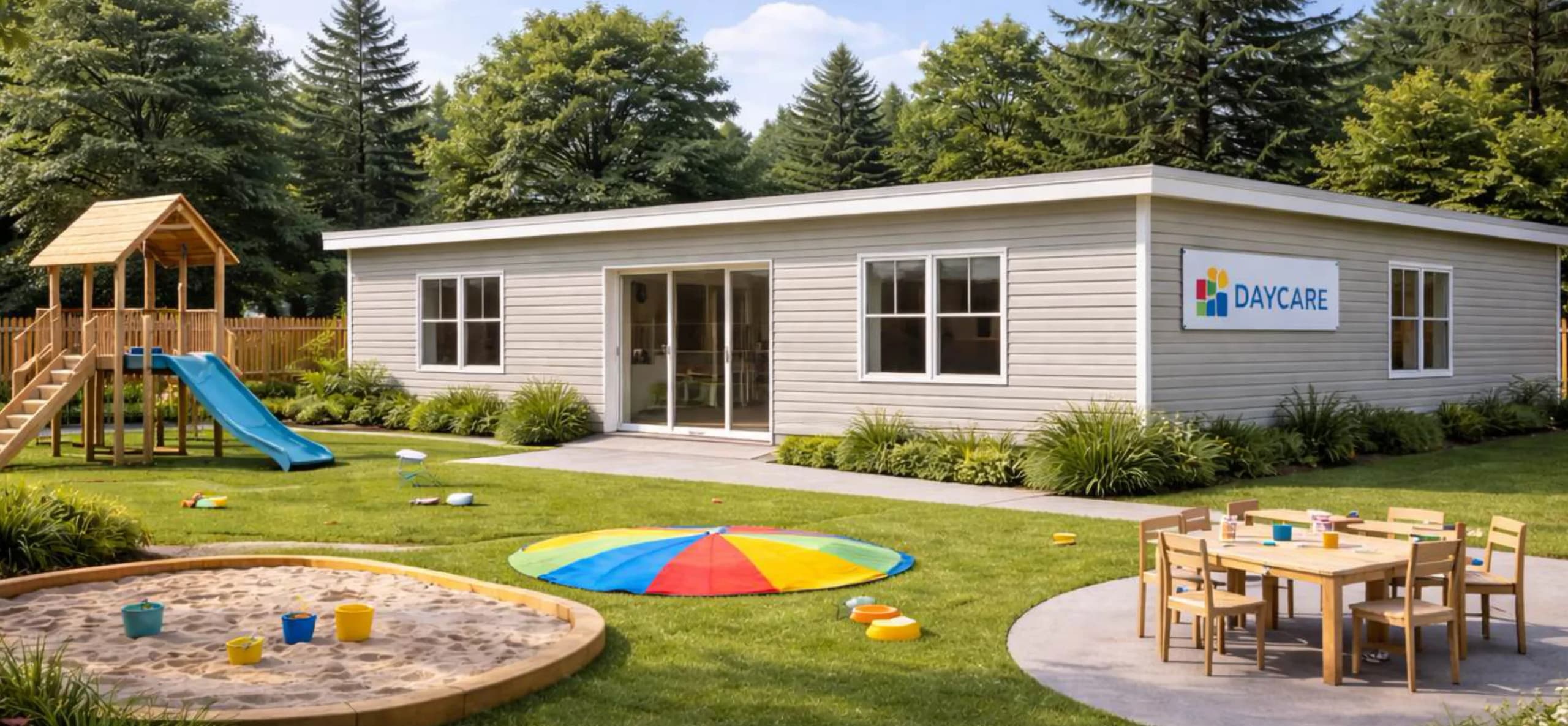
Alberta and British Columbia now sit on very different funding clocks. Alberta's child care agreement with Ottawa runs to 31 March 2027, its for-profit space cap is used up and new funded spaces are limited. B.C.'s agreement runs five more years, to 2030-31, but its main capital program for new spaces is paused. For anyone planning a new centre, that changes what to confirm before committing to a building, and how fast the building has to be ready.
The demand is not in doubt. Statistics Canada found that half of parents using child care in 2025 had difficulty finding it, up from 46% in 2023, and 31% of parents of children aged 0 to 5 had a child on a waitlist. For children under one, 56% of those not in care were on one. This article sets out what each province has published and what it means for the building. Herauf's daycare line is on modular daycares and schools.
Alberta: a deadline, and few new funded spaces
Canada and Alberta extended their agreements by one year in December 2025, to 31 March 2027, with more than $1.17 billion in federal money for 2026-27 and parent fees held at a flat $15 a day. The shared goal is up to 68,700 net new spaces by March 2027. As of April 2026, Alberta reported 57,699 net new spaces opened, 84% of the target.
The catch is on the funding side. Alberta reached its for-profit space cap of 26,200 spaces in fall 2025 and has since allocated the 5,000 additional spaces negotiated in December. The province says space creation funding now remains limited and is only available to eligible programs. For programs already running, affordability funding is capped at 20 additional funded spaces: from 1 April 2026 for for-profit programs and from 19 June 2026 for non-profits, with one request a fiscal year.
What that means for a building: confirm with the province that your spaces will be funded before you sign for construction, and plan around what is open in this agreement year. Licensing itself is straightforward: secure the location, complete the province's information session if it is your first facility-based licence, then submit the package; Alberta allows up to 30 business days to process it once complete. Because licensing starts from a secured location, a building whose schedule does not depend on the weather is worth having when the agreement year is short.
British Columbia: a long agreement, but capital is paused
B.C. signed five-year extensions in March 2025, worth more than $5 billion, with funding rising 3% a year from 2027-28. The province confirmed in May 2026 that the extension covers 2026-27 to 2030-31. Licensed spaces in B.C. have grown by nearly 59,000 from 2018 to 2026, and about 12,000 funded spaces are in development.
The ChildCareBC New Spaces Fund, the program most new centres used for capital, is paused. As of the province's July 15, 2026 update, ChildCareBC is in a stabilization period that includes a pause on the fund; existing agreements remain in effect. The province says funding will be available under the federal Canada-wide Agreement Infrastructure Funds in 2026-27. Separately, school districts can now apply for support to create before- and after-school spaces in school space.
What that means for a building: B.C. operators have time on the operating side, so this is the moment to design, choose a site and price the building, then be ready when capital funding reopens. School districts with space for before- and after-school care have a program open now. A centre that can go from approval to opening quickly is the one best placed to use funding when it comes.
Where a modular building fits
In both provinces the risk is the same: funding and licensing windows that do not wait for a building. Herauf's daycare line is published in three tiers, 30 to 47 children, 65 to 82 children and a 90-child centre with school-age, preschool, toddler and infant rooms, a sleep room, a kitchen and a staff room, plus modular additions to an existing building. It meets or exceeds CSA A277.
The modules are built indoors at Zehner, Saskatchewan and Enderby, B.C., while the foundation and services go in on site, and Herauf has a yard at St. Paul, Alberta. Manufacturing takes as little as 16 weeks once the issued-for-construction package is signed off and permit and engineering approval are in, and setting the building takes days. That makes the building's schedule something you can plan a funding year around.
How to get a budget
Send the number of spaces, the age groups, the province and the site through the daycare inquiry form, or call 1.639.382.4106, and Herauf will prepare a budget estimate for your application or your lender. In Saskatchewan or Manitoba instead? See opening a modular daycare in Saskatchewan and modular daycares and Manitoba's building fund.
Sources
- Government of Alberta, Federal-provincial child care agreement: progress
- Employment and Social Development Canada, Canada and Alberta agree to one-year extension of early learning and child care agreements
- Government of Alberta, Licensed facility-based programs
- Government of British Columbia, Investments will boost child care for families
- Government of British Columbia, Investing in more child care spaces throughout B.C.
- Government of British Columbia, ChildCareBC New Spaces Fund
- Statistics Canada, Child care arrangements, 2025
Common questions
When does Alberta's child care funding agreement end?
Canada and Alberta extended their early learning and child care agreements by one year, to 31 March 2027, with more than $1.17 billion in federal funding for 2026-27 and parent fees kept at $15 a day.
Can a new Alberta daycare still get funded spaces?
It is limited. Alberta reached its for-profit space cap of 26,200 in fall 2025 and has allocated the 5,000 additional spaces negotiated in December. The province says space creation funding remains limited and is only available to eligible programs, and from 2026 existing programs can add at most 20 funded spaces. Confirm your funded spaces with the province before you commit to a building.
How long is B.C.'s child care agreement?
B.C. and Canada extended their agreement for five years, 2026-27 to 2030-31, worth more than $5 billion, with funding rising 3% a year from 2027-28.
Is the ChildCareBC New Spaces Fund open?
No. As of its July 15, 2026 update, the province has paused the New Spaces Fund during a stabilization period. Existing agreements stay in effect, and the province says funding will be available under the federal Canada-wide Agreement Infrastructure Funds in 2026-27. School districts can apply for separate support for before- and after-school spaces.
Does Herauf build modular daycares in Alberta and B.C.?
Yes. Herauf's daycare line is published in tiers of 30 to 47, 65 to 82 and 90 children, plus modular additions, built indoors at Zehner, Saskatchewan and Enderby, B.C., with a yard at St. Paul, Alberta. The buildings meet or exceed CSA A277.
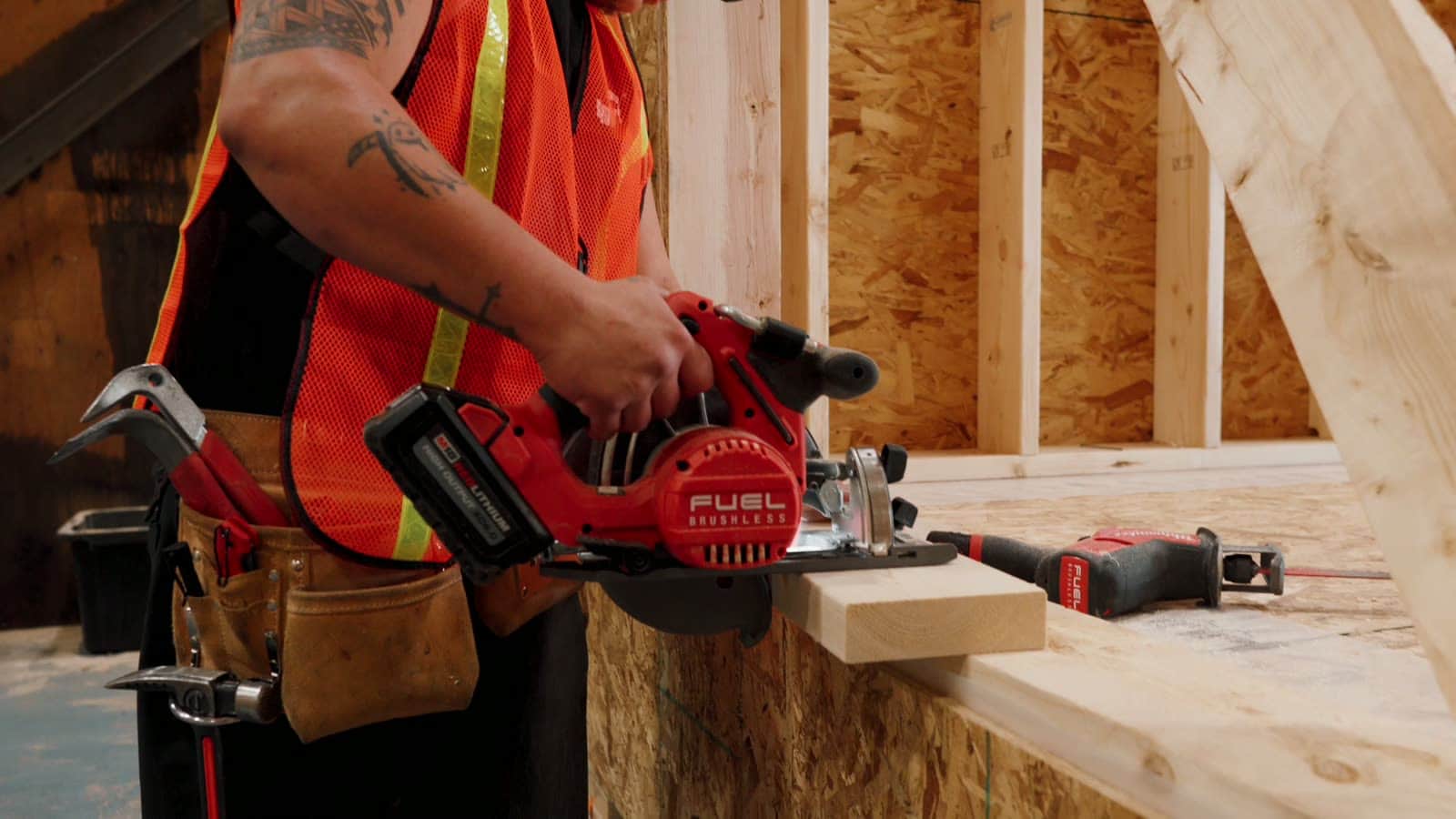
Modules being framed indoors on the plant floor